Village in the Shade Beginner Guide
Village in the Shade is a rural life simulation from Nippon Ichi Software that blends cozy farming gameplay with an undercurrent of horror. This beginner guide covers the essential mechanics, daily routines, and survival strategies every new resident of Kagatsu Village needs to know.
Understanding Kagatsu Village
In Village in the Shade, you arrive in the remote mountain settlement of Kagatsu Village as an orphan seeking a new home. The village operates under a strict set of eight rules that govern daily life, and earning your place means working the land, tending animals, fishing, hunting, and building relationships with the locals. Beneath the pastoral charm lies a web of secrets tied to the village's many taboos — secrets that the Yomawari team has woven into every layer of the experience.
The game runs on a day-night cycle where time management is paramount. Each in-game day is divided into morning, afternoon, and evening phases, and how you allocate your limited stamina across these windows determines whether you prosper or perish. Understanding this rhythm is the single most important skill for any newcomer.
Pay close attention to NPC dialogue and environmental cues. Villagers will hint at the nature of the rules and the consequences for breaking them. These conversations are not just flavor text — they often contain practical warnings that can save your progress.
Your First-Day Priorities
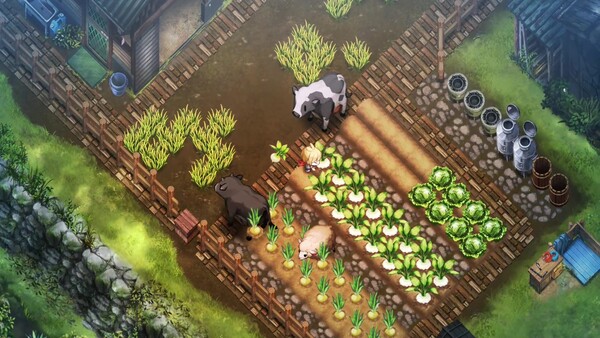
On your very first morning, focus on clearing and preparing your crop tiles. Farming is your primary source of income during the early game, and getting seeds into the ground as soon as possible sets up a reliable revenue stream for the days ahead. Aim to finish all crop-related tasks before noon so you have the rest of the day free for other activities.
Once your fields are tended, spend the afternoon exploring the river for fishing spots or venturing into the nearby woods to hunt. Both activities yield food that restores stamina, but cooking your catch before eating it provides roughly 40% more energy efficiency compared to consuming raw crops. This efficiency gain is critical during the resource-scarce opening days.
Above all else, make sure you return indoors before the evening curfew. The curfew is not a gentle suggestion — violating it alters how villagers interact with you the following day and can trigger game-over states. Treat 6 PM as your hard deadline to be safely back in your living quarters.

The Village Rules and Why They Matter
Kagatsu Village enforces eight rules that function as both narrative devices and gameplay constraints. While the game gradually reveals the full list, the night curfew is the most immediately dangerous rule for beginners. Breaking it doesn't just result in a slap on the wrist — repeated violations escalate consequences in ways that directly threaten your ability to continue playing.
Keep a mental note of every rule as it is introduced. Some rules restrict where you can go, others dictate how you interact with certain villagers or objects, and a few govern what you can and cannot do at specific times. Following them diligently is essential to maintaining good standing in the village, while deliberately testing their boundaries is how the game's horror elements surface.
If you notice NPC dialogue shifting or the village atmosphere changing after something you did, treat it as an early warning. The game's consequence system is layered — small infractions accumulate before triggering severe outcomes, giving attentive players a chance to course-correct before it is too late.

Stamina Management and Early Upgrades
Stamina is the currency that governs everything you do in a given day. Every action — tilling soil, casting a fishing line, swinging an axe — draws from the same pool, so wasting energy on inefficient tasks early in the day can leave you unable to finish essential work before curfew. Plan your daily activities in order of priority: crops first, then gathering or fishing, then any remaining errands.
When it comes to tool upgrades, prioritize your fishing rod and axe before investing in the watering can. An upgraded fishing rod lets you catch higher-quality fish with fewer attempts, and a better axe reduces the stamina cost of gathering wood — both of which have a larger impact on your early-game efficiency than slightly faster watering. The watering can upgrade becomes more valuable later once your farm expands.
Cooking is your best friend for stretching stamina further. Raw ingredients restore some energy, but prepared meals are significantly more efficient. Make it a habit to cook at the end of each day using whatever fish, game, or crops you have on hand, then consume those meals the following morning to start with a full reserve.
Building a Sustainable Daily Routine
The most successful players establish a repeatable daily loop early in the first season. A reliable routine looks like this: wake up and immediately water and harvest your crops, spend the early afternoon fishing or hunting for food and sellable goods, use the late afternoon for socializing with villagers or exploring new areas, and head home well before the 6 PM curfew to cook and prepare for the next day.
As your farm grows and more of the village opens up, you can start adjusting this routine to incorporate livestock care, expanded foraging routes, and deeper exploration of the story. But in the opening days, resist the urge to do everything at once. Spreading yourself too thin leads to wasted stamina, missed curfews, and a slow spiral into rule violations.
Finally, remember that Village in the Shade rewards patience. The village's secrets unfold over multiple seasons, and the game is designed so that steady, methodical play reveals far more than reckless curiosity. Settle into the rhythm of rural life, respect the rules, and let Kagatsu Village show you its true nature on its own terms.