Items, Crafting Recipes & Tool Upgrades
Village in the Shade features a deep item and crafting system rooted in the rural traditions of Kagatsu Village. From foraging raw materials in the surrounding mountains to upgrading your farming tools and preparing cooked dishes, understanding what you can obtain and how to use it is essential for both daily life and nighttime exploration.
Resource Types and Where to Find Them
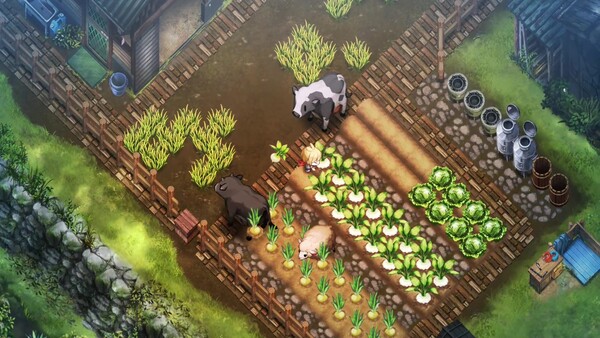
Kagatsu Village and its surrounding countryside offer several categories of collectible resources. Crops grown on your homestead provide the backbone of your inventory, while foraging in the mountains and along the brook yields wild plants, wood, stone, and seasonal materials. Fishing at the river and hunting in the wilderness supply animal products that feed into both cooking and crafting recipes. Resources rotate with the seasons, so certain ingredients and raw materials are only available during specific times of the year.
Gathering resources early and often is one of the most important habits to build in your first Spring. The beginner loop revolves around harvesting crops for income while stockpiling foraged materials for tool upgrades and home decoration. Keep an eye out for less obvious gathering spots near the village outskirts — just be mindful of the village rules about where you are allowed to go and when.
Tools and Tool Upgrades
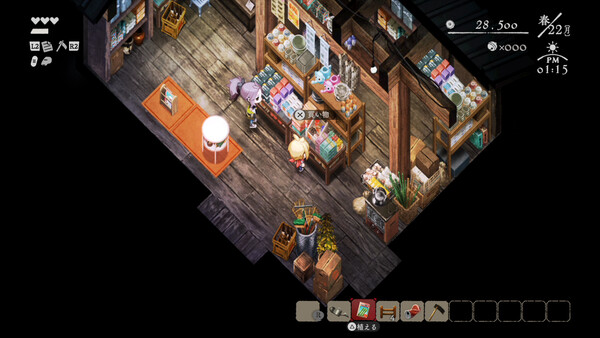
You begin your life in Kagatsu with a basic set of farming tools that allow you to till soil, water crops, and perform simple harvesting. As you progress and accumulate resources, you can upgrade these tools to improve their efficiency — covering more ground per use or unlocking the ability to interact with new materials and terrain. Prioritizing your first tool upgrade is a key early-game decision highlighted in most beginner strategies.
Upgraded tools are not only important for farm productivity but also play a role in resource collection outside the homestead. Higher-tier tools let you access gathering nodes that basic equipment cannot break or harvest, opening up new crafting possibilities. Consult the village's local craftspeople to learn what materials each upgrade requires, and plan your gathering runs accordingly.
Crafting Recipes and Cooking
Crafting in Village in the Shade spans two main categories: practical items and cooked dishes. Practical crafting covers farm infrastructure, home decorations, and utility items that support your daily routines. Cooking transforms raw crops, foraged plants, fish, and hunted game into meals that can restore energy, serve as gifts for villagers to build friendship, or be sold for profit as part of your money-making strategy.
Recipes are unlocked gradually as you progress through the game, befriend villagers, and discover new ingredients each season. Some recipes require combining materials from multiple sources — for example, a dish might call for both a farmed crop and a foraged herb — which encourages you to diversify your activities rather than focusing on a single income stream. Experimenting with ingredient combinations is worthwhile, as certain cooked items provide benefits that are especially useful during nighttime exploration.
Seasonal and Event-Exclusive Items
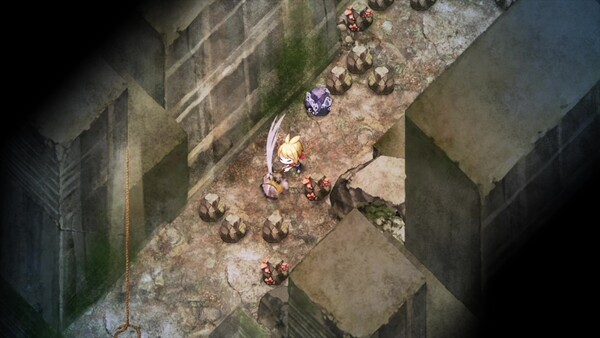
Kagatsu Village celebrates seasonal festivals throughout the year, and certain items are tied exclusively to these community events. Festival-specific materials and rewards cannot be obtained outside their designated time windows, making it important to participate whenever a celebration is announced. These limited items often serve as rare crafting ingredients or unique home decorations.
Beyond festivals, each season introduces its own set of forageable goods and fishable catches. Planning your crafting goals around the seasonal calendar helps you avoid bottlenecks — if a recipe requires a Spring-only herb, missing that window means waiting an entire in-game year. Experienced players recommend keeping a small reserve of every seasonal material so you are never locked out of a time-sensitive craft.
Tips for Efficient Item Management
Storage space on your homestead is limited in the early game, so learning what to keep and what to sell is critical. As a general rule, hold onto materials that appear in known upgrade or crafting recipes and sell surplus crops and common foraged items for income. The early money-making loop that sustains most players through their first season relies on converting harvested crops into cash while banking rarer finds.
As you unlock more crafting options and tool tiers, your resource needs will shift. Periodically review your storage to clear out items you have outgrown, and reinvest profits into expanding your crafting capabilities. Balancing immediate income against long-term crafting goals is one of the core strategic rhythms that makes Village in the Shade's item system rewarding to master.
Remember that some items serve double duty — a fish might be worth selling raw for quick money, but cooking it into a dish could yield a higher sale price or provide a useful buff for after-dark exploration. Always weigh your options before committing valuable resources to a single use.